Black Mandala Art Pattern
A Designer’s First Glance: Elegant, Balanced, and Quietly Bold
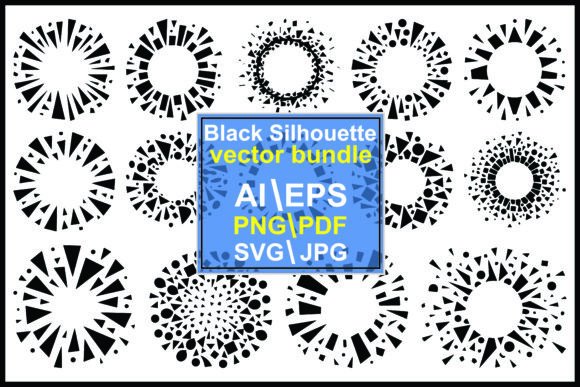
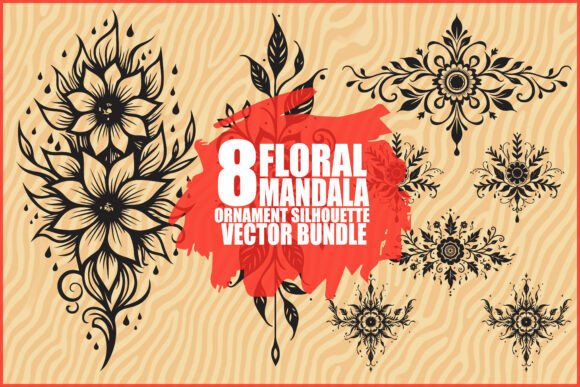
When I opened the Black Mandala Art Pattern, what struck me first wasn’t just its symmetry—but its quiet confidence. This isn’t a busy, overwrought mandala shouting for attention. It’s centered, grounded, and layered with subtle floral motifs that breathe rather than crowd. The silhouette style gives it clean edges—ideal for vector-based embroidery prep—and the black-on-white base makes it instantly legible as a machine embroidery design foundation. As an illustrator and embroidery reviewer who’s tested hundreds of Graphics for real-world stitching, I immediately pictured this on a linen tea towel, a cotton baby onesie, or the front panel of a structured tote bag.
Real-World Test: Stitching It onto a Linen Tote Bag
Last week, I prepped the Black Mandala Art Pattern for a client’s boutique line of minimalist kitchen totes. Linen’s natural slub and slight give make it unforgiving for dense stitch work—but this design handled it beautifully. Why? Because its open negative space lets fabric show through without looking “incomplete,” and its balanced radial flow avoids awkward tension pulls at the hoop’s edge. I used a medium-weight cutaway stabilizer, 40-weight rayon thread in charcoal gray (not pure black—it reads warmer on natural fibers), and kept the stitch density moderate. The result? Crisp lines, no puckering, and a finished product that looked intentionally handmade—not digitized and pasted on.
Where It Shines (and Where It Asks for Care)
The Black Mandala Art Pattern excels in projects where elegance meets wearability:
- Sweatshirt embroidery: Its bold outer ring anchors well on fleece-backed knits—no floating or distortion.
- Baby embroidery: Soft curves and no tiny interior details mean fewer skipped stitches on delicate interlock or bamboo blends.
- Embroidered patch: Clean silhouettes translate cleanly to sew-on or iron-on backing; minimal fill stitch keeps it lightweight and flexible.
- Holiday embroidery: Paired with metallic gold thread on deep navy velvet, it read like heirloom craftsmanship—not seasonal clutter.
- Etsy seller asset: As a digital embroidery file, it scales cleanly across mockups—whether you’re showing it on a pillow cover, apron, or ceramic mug wrap.
But—and this is where experience matters—it’s not universally forgiving. Avoid pushing it into these scenarios without testing:
- Small hoop sizes under 4”: Some versions in the bundle include fine inner petals that may lose definition below 3.5”. Always inspect corners and inner loops before finalizing.
- Stretchy fabric like jersey or rib knit: The radial symmetry can warp if hooping isn’t precise. Use a tear-away + cutaway hybrid stabilizer and baste first.
- Dark fabric without contrast planning: Since it’s a black silhouette, white or light thread won’t “pop” unless you reverse it or add a shadow layer—something to consider for your printable mockup and customer previews.
- Curved surfaces like caps: The outer ring works well, but tightly nested inner layers may compress unevenly. Opt for the simpler variants in the bundle for headwear.
What It Does for Your Craft Business—Beyond the Stitch
As a small shop owner or Etsy seller, you’re not just selling thread and fabric—you’re selling intention, care, and visual trust. The Black Mandala Art Pattern supports that. Its refined aesthetic tells customers your brand values detail and restraint. When stitched onto a personalized gift—a monogrammed nursery pillow or wedding guest towel—it feels considered, not generic. That perception lifts perceived value, encourages repeat buyers, and reduces returns due to “not what I expected.”
I’ve seen too many craft businesses undermine strong products with muddy or overly complex designs. This one avoids that trap. Its clarity makes color matching intuitive (thread colors stay true), its rhythm guides the eye without overwhelming, and its versatility means one purchase supports multiple handmade product categories—no need to license five similar files.
Practical Embroidery Designer Notes (From My Hoop to Yours)
Before you load the Black Mandala Art Pattern into your machine or list it in your shop:
- Test on scrap fabric first—especially if using textured weaves or blends. Linen, terry cloth, and quilting cotton all behave differently.
- Review stitch density in your editing software. If it’s over 12,000 stitches, consider simplifying inner layers for apparel use.
- Confirm hoop size compatibility. Not all eight designs in the bundle fit a 4x4 hoop—check which variant you’re using.
- Inspect small details at 200% zoom. Look for stray nodes or overlapping paths that could cause jump stitches.
- Test black-and-white mockups to see how it reads on both light and dark backgrounds—this matters for your product photos and listings.
- Use proper stabilizer: Cutaway for knits, tear-away for stable wovens, and fusible for lightweight silks or voiles.
- Verify licensing before selling finished items or bundling the design as part of a digital product. The description says it’s for “laser cutting, invitations, vinyl crafting, and home décor”—but confirm commercial embroidery rights directly with the creator.
Final Thought: A Design That Works With You, Not Against You
The Black Mandala Art Pattern doesn’t demand attention—it earns it. It’s the kind of Illustrations asset that disappears into your process, then reappears beautifully in the finished product. Whether you’re embroidering a single custom order or scaling up for wholesale pillow covers, it holds its integrity. It respects your time, your machine, your fabric—and most importantly, your customer’s eye. In a market flooded with loud, trend-chasing graphics, this is the quiet, confident choice that builds brand consistency, not noise. And for any craft business serious about quality over quantity, that’s not just practical—it’s essential.