Ornamental Jewellery Pack
A Designer’s First Glance: Elegance That Feels Hand-Drawn, Not Algorithm-Generated
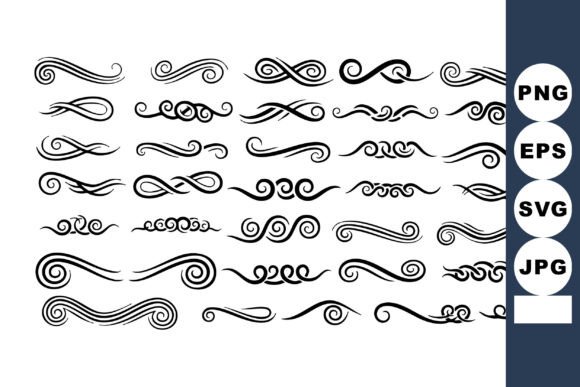
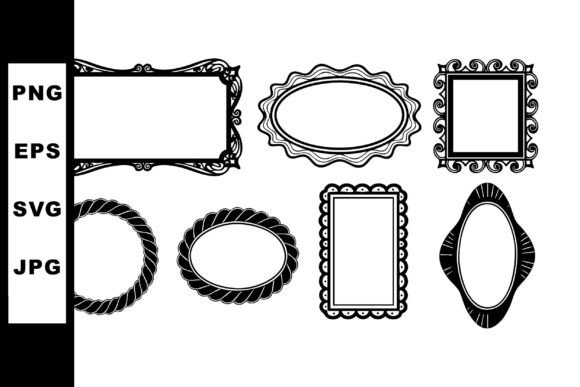
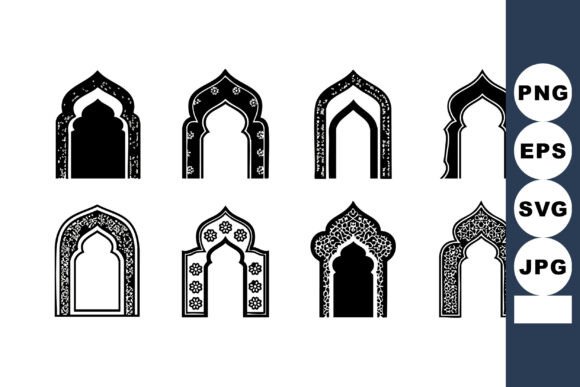
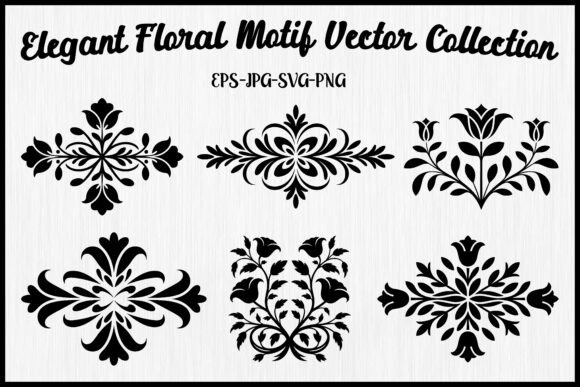
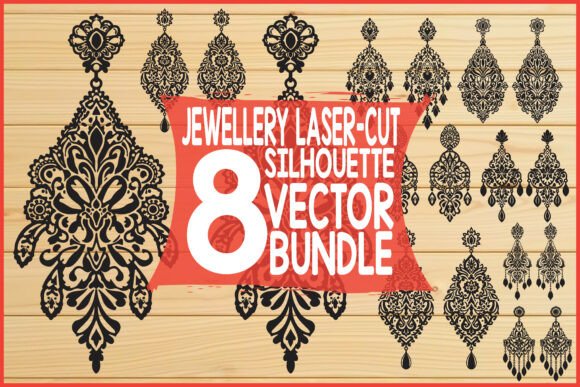
The moment I opened Ornamental Jewellery Pack, I didn’t see “8 earring silhouettes”—I saw eight distinct personalities. Each one breathes quiet confidence: delicate scrollwork on one, a bold Art Nouveau curve on another, subtle asymmetry in a third. There’s no forced symmetry or over-engineered repetition—just thoughtful negative space, balanced weight, and intentional line rhythm. As an embroidery designer who’s stitched hundreds of client projects, I immediately sensed these weren’t made for laser-cut acrylic alone. They translate beautifully to thread—especially when you’re aiming for that refined, heirloom-quality feel on baby onesies, linen tea towels, or boutique aprons.
Real Project Test: Embroidering a Linen Tote for a Local Bridal Boutique
Last week, I used two designs from Ornamental Jewellery Pack to embroider monogrammed linen totes for a small bridal shop—each tote held a personalized gift set for bridesmaids. I chose the most open, airy silhouette (Design #4) and placed it just below the handle seam, where the fabric lies flat and stable. The result? Clean satin-stitched outlines with soft fill-stitch interiors—not too dense, not too sparse. Customers loved how the motif looked *intentional*, not “stamped on.” It elevated the whole item: no longer just a bag, but a keepsake. That’s the quiet power of this pack—it supports storytelling, not just decoration.
Where It Shines (and Where to Pause)
Ornamental Jewellery Pack excels in medium-to-large-scale embroidery applications:
- Custom apparel: Works beautifully on sweatshirt cuffs, back yokes, or chest pockets—especially on structured fabrics like cotton twill or midweight linen.
- Embroidered patches: The clean vector edges convert cleanly to applique designs; minimal trimming needed if you’re stitching raw-edge or fused backing.
- Baby embroidery: Soft curves and open shapes read clearly at 2.5–3 inches tall—even on gauzy cotton or interlock knit, as long as you use lightweight cutaway stabilizer.
- Holiday embroidery & wedding gifts: These motifs whisper luxury without shouting. Perfect for embroidered handkerchiefs, pillow covers, or napkin corners—items people keep and re-gift with meaning.
- Etsy seller assets: Pair any design with a simple monogram or date for instant personalization. Great for digital embroidery file listings alongside printable mockups.
But—and this matters—I’d approach certain uses with care:
- Small hoop sizes (under 3”): Some details (like fine interior filigree) may compress or lose definition. Always test stitch on scrap first.
- Textured or stretchy fabrics: Heavy terry cloth or jersey can blur delicate lines. Opt for running-stitch outlines + minimal fill, or simplify manually before digitizing.
- Dark fabric backgrounds: These designs rely on shape contrast more than tonal depth. Use bright white or metallic thread—not just for visibility, but to honor their ornamental intent.
- Curved surfaces (caps, curved pillow fronts): Avoid placing tight inner corners directly over seams or crowns. Rotate or scale slightly to follow the grain.
What It Does for Your Craft Business—Beyond the Stitch
Using Ornamental Jewellery Pack isn’t just about adding a motif—it’s about reinforcing trust. When a customer sees crisp, balanced embroidery on a handmade product, they subconsciously register care, consistency, and intention. That matters whether you’re pricing a $48 embroidered tea towel for your Etsy shop or branding 50 custom aprons for a local café.
I’ve watched buyers linger longer on items featuring these kinds of illustrations—not because they’re flashy, but because they feel *considered*. They signal that the maker understands proportion, rhythm, and restraint. In a market flooded with clipart-style graphics, Ornamental Jewellery Pack helps your finished product stand out as quietly sophisticated.
Practical Notes Every Embroidery Designer Should Keep Handy
Before stitching—or listing your next digital embroidery file—run through these checkpoints:
- Test on scrap fabric using your exact thread, stabilizer, and machine settings—not just a quick sew-out, but a wash-and-dry cycle if the item will be laundered.
- Review stitch density: If converting from vector to embroidery file, avoid overfilling open areas. Let the negative space breathe—it’s part of the elegance.
- Confirm hoop size compatibility: Even elegant designs need physical real estate. Measure your largest intended placement area before digitizing.
- Inspect small details: Zoom in on vector paths—look for stray anchor points or overlapping strokes that could confuse your embroidery software.
- Try black-and-white mockups: These designs gain strength in high-contrast presentation. If they don’t pop in grayscale, reassess thread choice or placement.
- Check licensing: Since Ornamental Jewellery Pack is categorized under Illustrations and Graphics, verify whether commercial use (e.g., selling embroidered totes or digital files) is permitted—don’t assume.
- Match stabilizer to fabric + design: Light cutaway for knits, tear-away for stable wovens, and always baste securely—these motifs demand precision, not drift.
Final Thought: A Design That Serves the Maker, Not Just the Machine
Many embroidery files deliver technical accuracy but forget emotional resonance. Ornamental Jewellery Pack does both. It’s technically sound for laser cutting and vinyl work—but its real value emerges in thread: in the way a satin stitch catches light on a baby blanket, how a single motif transforms a plain sweatshirt into something cherished, or how it helps a craft business communicate quality before the first word is spoken. It doesn’t shout. It invites closer looking. And in today’s handmade landscape, that kind of quiet confidence is rare—and deeply valuable.