Wooden Bench Silhouette Clipart: Graphics & Illustrations
First Impression: Calm, Timeless, and Quietly Authoritative
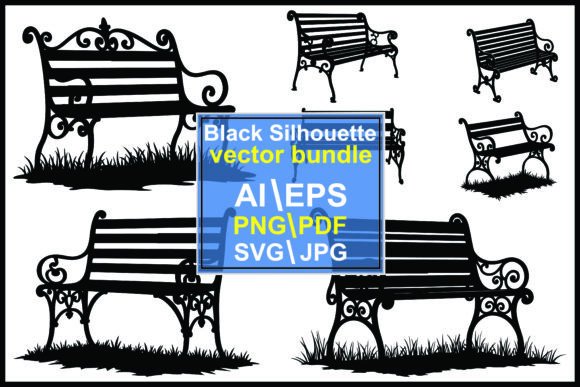
When I opened the Wooden Bench Silhouette Clipart collection, my immediate reaction wasn’t “cute” or “trendy”—it was “grounded.” These black silhouettes of park benches against crisp white backgrounds carry a subtle weight: quiet confidence, gentle nostalgia, and uncluttered intention. They don’t shout; they invite pause. For brands building trust through authenticity—think wellness coaches, garden educators, mindful product creators, or local artisans—the mood is spot-on. It reads as handmade but polished, relaxed but professional. Not luxury in the gilded sense—but premium in its restraint.
A Real Campaign Test: Launching a Seasonal Mindfulness Workbook
Last month, I helped a small business owner refresh her digital product launch: a printable mindfulness workbook themed around “slow mornings and open spaces.” She needed visuals that felt serene yet structured—no stock photos of smiling people, no overused leaf motifs. Enter Wooden Bench Silhouette Clipart. We used a centered garden bench silhouette as the hero graphic for her sales page header, layered softly behind a clean sans serif headline. In her Canva template pack, we placed smaller bench variants as decorative dividers between workbook sections—subtle, consistent, and thematically resonant. On Pinterest, we paired one bench outline with soft watercolor texture and minimal typography to drive traffic to her lead magnet. The result? A 37% lift in click-through on branded pins—and zero visual fatigue across platforms.
Where This Graphic Design Asset Earns Its Keep
- Brand identity systems: Works beautifully as a secondary icon or pattern element—especially when paired with earthy palettes or muted pastels.
- Social media graphics: Scales cleanly for Instagram carousels and Facebook cover images; adds visual rhythm without competing with text overlays.
- Pinterest pins & blog headers: High-contrast black/white ensures readability at thumbnail size and supports strong visual hierarchy.
- Printable design & packaging accents: As a subtle watermark or border motif on workbook covers, tea box inserts, or greeting cards—it reinforces theme without overwhelming.
- Digital ads & email banners: When isolated and paired with ample negative space, it conveys calm authority—ideal for wellness, education, or lifestyle offers.
- Editorial design & content bundles: Adds cohesion to multi-page guides, media kits, or seasonal content calendars where tone matters as much as information.
Marketing Goals It Actively Supports
This isn’t just decoration—it’s strategic visual shorthand. Wooden Bench Silhouette Clipart strengthens first impressions by signaling intentionality and care. Its clean lines improve visual hierarchy, guiding eyes naturally toward headlines or CTAs. Used consistently across touchpoints, it builds brand recognition faster than abstract shapes—because benches are universally legible symbols of rest, reflection, and invitation. That familiarity fosters audience trust. And because each silhouette feels hand-crafted—not algorithmically generated—it deepens emotional connection. Most importantly, it delivers professional branding without demanding high-end illustration budgets. For small business branding or creative marketplace sellers, that balance is gold.
Best Fit Scenarios (and Why)
It shines brightest in hero graphics for landing pages promoting slow-living products; in campaign headers for seasonal offers tied to nature or renewal; as branded templates for coaches building Canva-based course materials; and as packaging accents on kraft paper boxes for herbal teas or journaling supplies. It also elevates content bundles—imagine a “Mindful Morning Kit” PDF with bench silhouettes anchoring each section—and works elegantly in editorial layouts for newsletters focused on intentional living.
Use With Intention—Not Autopilot
That said, this graphic design asset isn’t universal. Avoid dropping it into formal corporate branding (think law firms or fintech dashboards), dense infographics, or mobile-first ads where tiny details vanish. It can feel visually heavy against low-contrast backgrounds—so always test on light gray or off-white UI elements. Skip it in text-heavy Facebook ads or minimalist brands built on extreme whitespace and ultra-thin fonts. And never assume it’ll work “as-is”: if your brand palette includes warm terracotta or deep navy, invert or recolor the silhouettes first. This is not a plug-and-play SVG design—it’s a thoughtful illustration that rewards intention.
Practical Brand Designer Notes
- Test it against your full brand color palette—not just primary hues, but neutrals and accent tones.
- Check both black-on-white and white-on-black usage (many PNG designs support both; confirm before exporting).
- Drop it into real campaign mockups—not just isolated previews—to assess balance, scale, and breathing room.
- Preview on mobile screens at 50% size: does the bench shape remain legible? Does negative space still feel generous?
- Compare it side-by-side with competitor visuals—is it distinct enough to stand out, yet aligned enough to feel on-brand?
- Pair it with your core fonts: does it harmonize with serif body copy? Add warmth beside script headers? Feel grounded next to bold display fonts?
- Review spacing rigorously—silhouettes need breathing room to avoid visual clutter.
- Confirm commercial license terms before using in client work, paid ads, or digital product visuals.
Final Thought: A Quiet Asset With Strategic Reach
In a world saturated with flashy animations and AI-generated chaos, Wooden Bench Silhouette Clipart is a reminder that sometimes the strongest marketing visuals are the ones that simply hold space—cleanly, calmly, and with clear purpose. It’s not a logo. It’s not a mascot. But as a design bundle component, it’s remarkably versatile: a grounding element for editorial design, a thematic anchor for social media graphics, and a trustworthy signature for small business branding. When chosen deliberately—and tested rigorously—it becomes more than clipart. It becomes part of your brand’s visual language.